
ASWN Brothers is a Pakistan-based manufacturer and exporter specializing in a diverse range of apparel and accessories, including historical uniforms, sportswear, and grooming tools. Headquartered in Sialkot, Punjab—a city renowned for its textile and manufacturing industries—ASWN Brothers has established a significant presence both locally and internationally.
Product Range
1. Historical & Military Uniforms:
ASWN Brothers offers an extensive collection of historically inspired garments, catering to enthusiasts of various eras and styles:
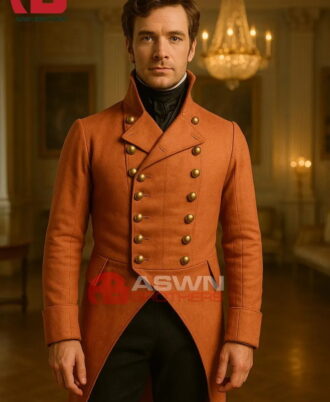
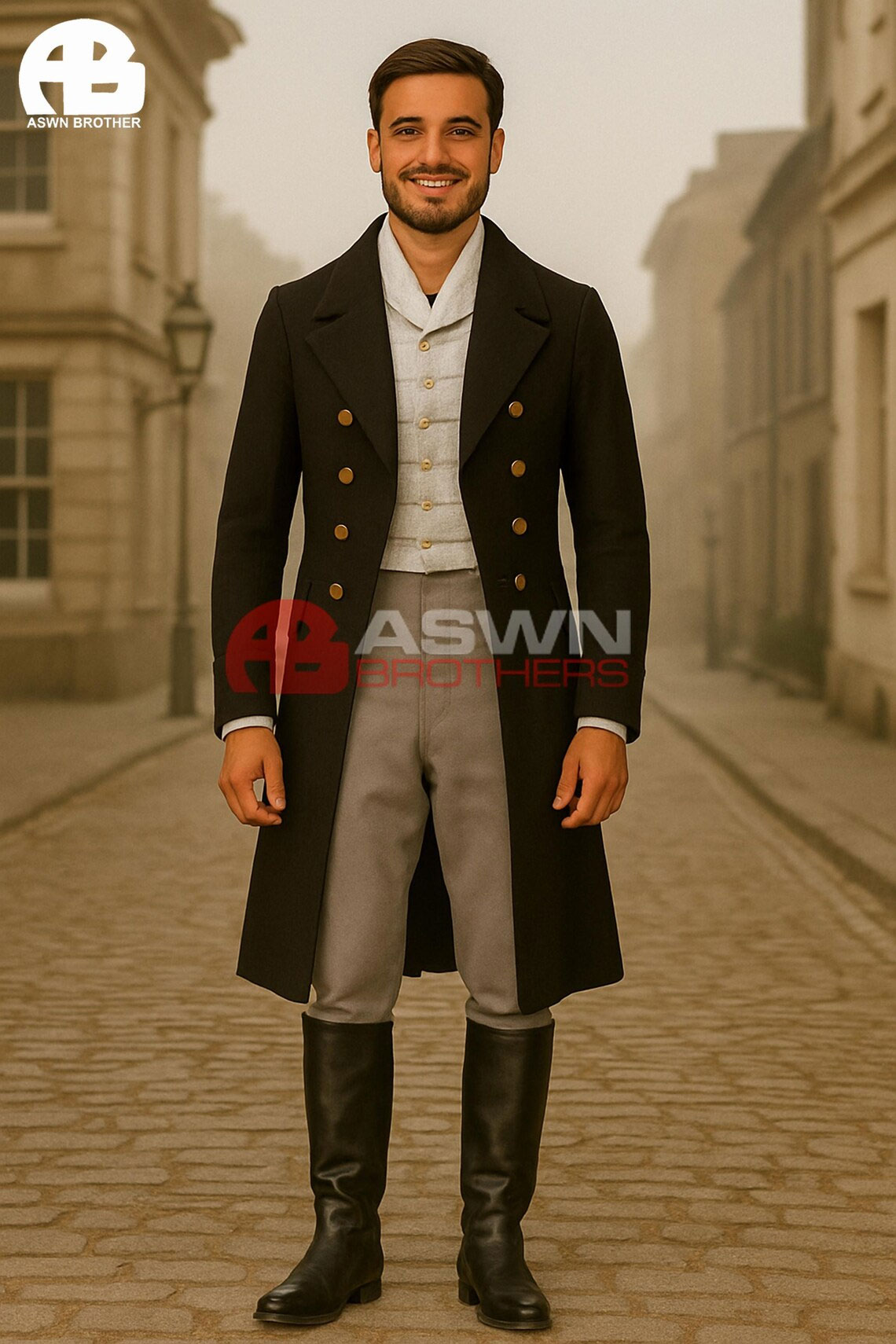
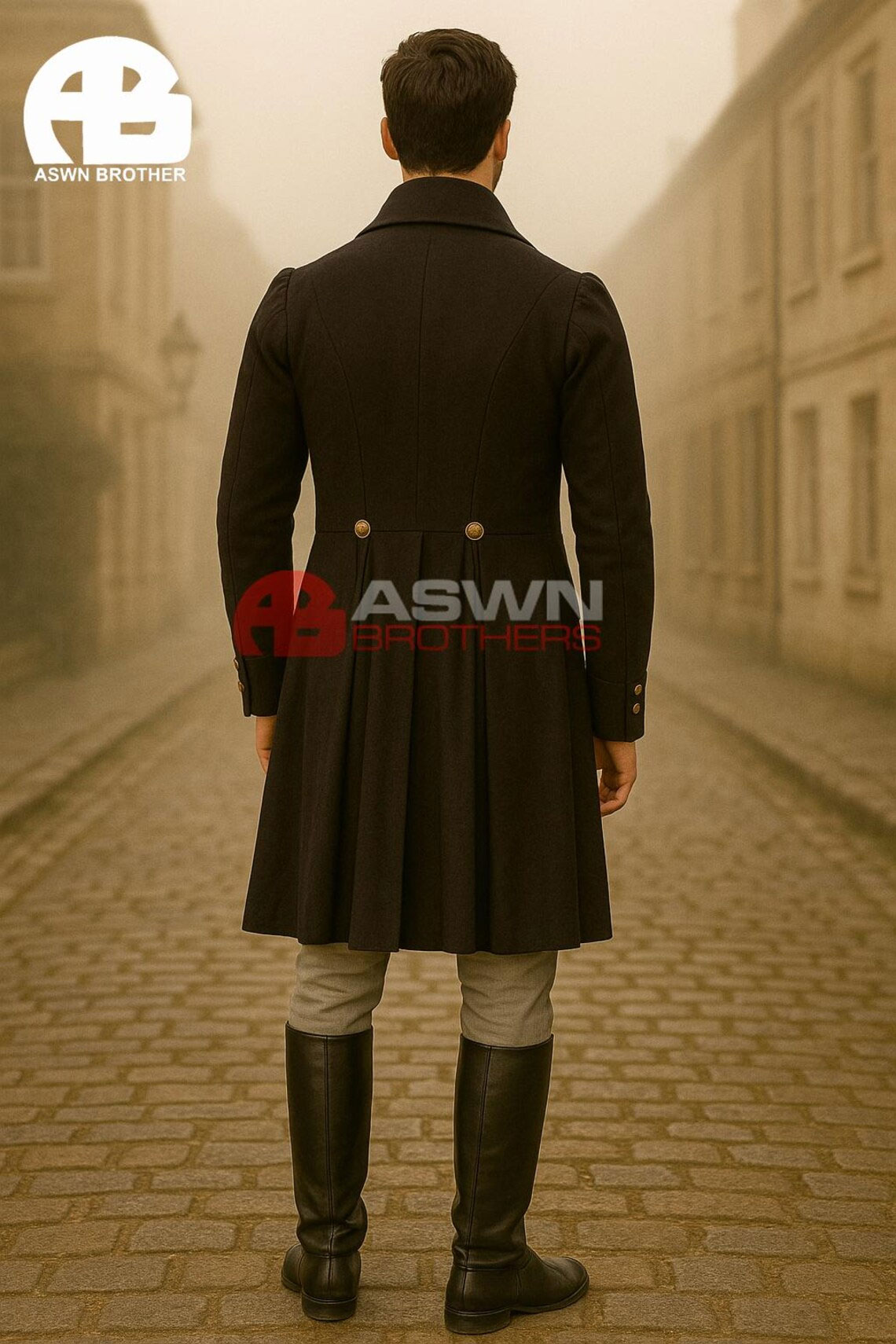
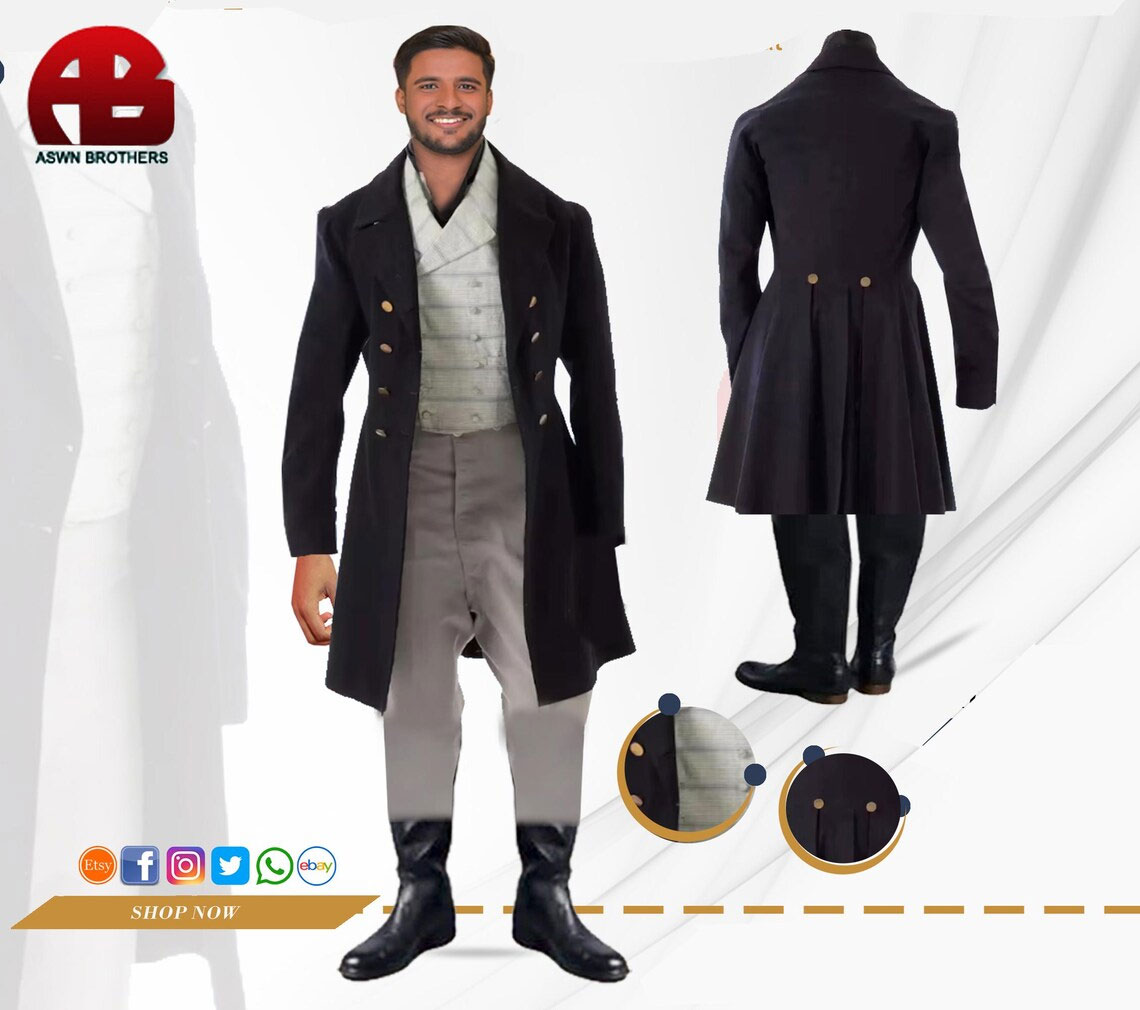
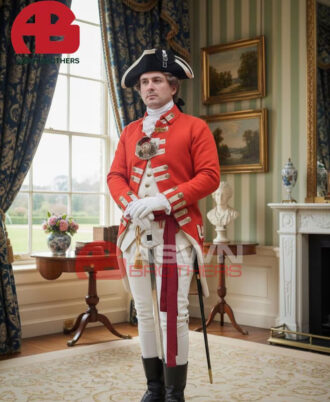
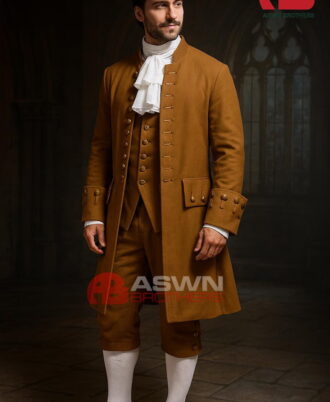
Men’s Uniforms: Napoleonic uniforms, Regency coats, Hussar jackets, Gothic coats, French uniforms, Inverses capes, Civil War uniforms, custom-tailored suits, pirate coats, clergy robes, cassocks, trousers, Halloween specials, movie costumes, smoking jackets, embroidered jackets, long coats, waistcoats, medieval gear, frock coats, Bavarian jackets, 18th & 19th-century uniforms, historical reenactment & cosplay uniforms, and steampunk jackets.
Women’s Uniforms: Hussar jackets, frock coats, tailcoats, trouser breeches, and clergy robes.
Scottish Attire: Prince Charlie jackets & vests, Argyle jackets & vests, doublet jackets, tweed Argyle jackets & vests, waistcoats, men’s kilts, kilt outfits, jacket outfits, casual outfits, Gillie shirts, sporrans, acrylic wool tartans, poly viscose tartans, Scottish wear, and headwear.
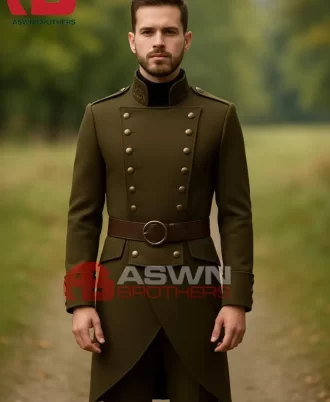
Military Uniforms: Military jackets & coats, British military uniforms.
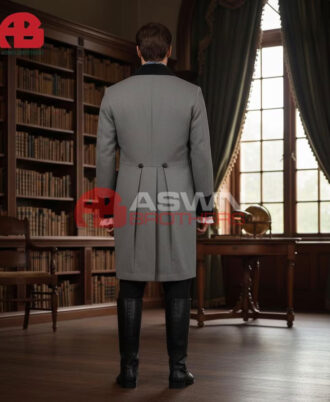
Historical Tailcoat Overview (Regency to Victorian Transition)
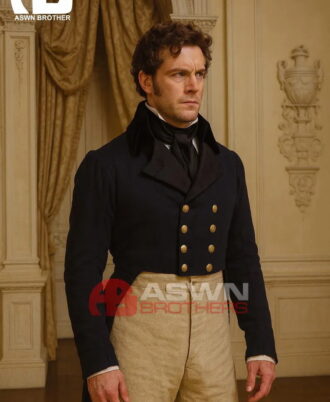
Regency Era Tailcoat (c. 1795–1820)
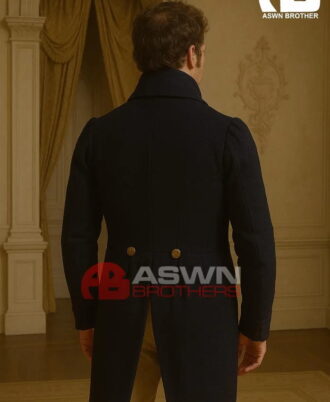
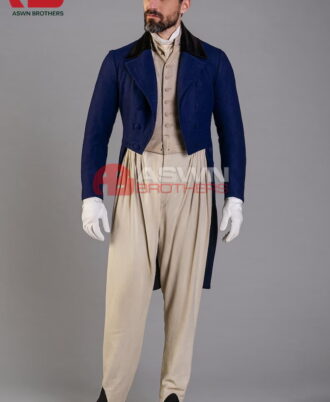
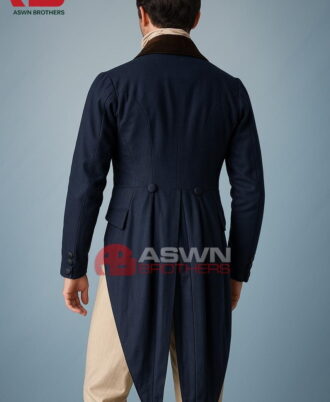
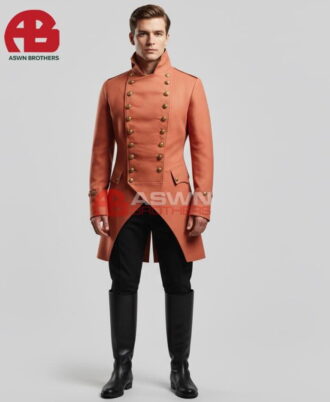
Style: Short front, long “swallowtail” back.
Silhouette: Emphasis on a natural, slim silhouette. No padding in the chest or shoulders.
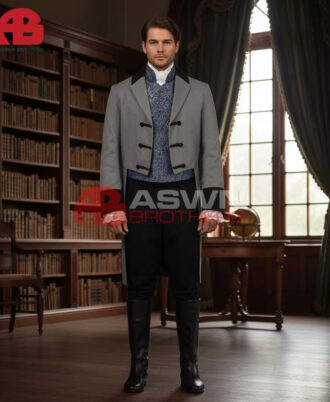
Lapels: High, wide lapels, often rolled back dramatically.
Closure: Usually worn open or with a single-button fastening at the waist.
Colors/Fabric: Deep colors (navy, forest green, black) in wool or superfine broadcloth.
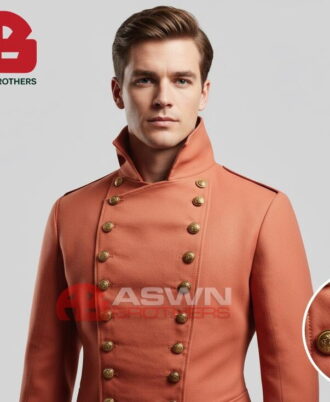
Collar: Stand collars or notch collars.
Sleeves: Narrow, set high on the shoulder.
Pairing: With tight breeches and a waistcoat.
Early Victorian Tailcoat (c. 1830s–1850s)
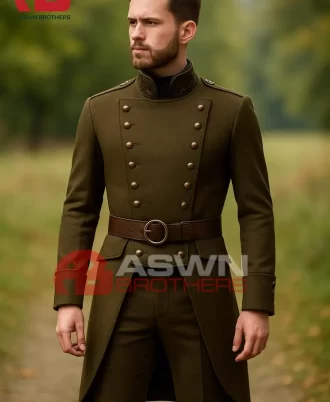
Style: Still high-waisted with swallowtails, but becoming more structured.
Silhouette: More padded shoulders and chest, giving a broader appearance.
Lapels: Narrower than in the Regency, more restrained.
Closure: More common to be fully buttoned.
Collar: More variety—shawl collars start appearing.
Fabric: Still wool, but with increasing industrial refinement in texture and tailoring.
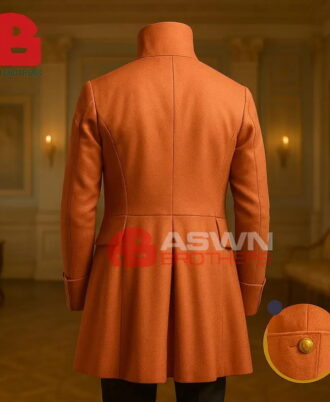
A “Regency-Victorian” Tailcoat Could Feature:
The flared tails and high waistline of the Regency.
Slight padding in the shoulders and a more fitted chest from early Victorian trends.
A mix of wide Regency lapels with a more subdued Victorian cut.
Worn with high-waisted trousers (transitioning from breeches) and a waistcoat.
Contextual Use:
Historical reenactments or period dramas set around the 1820s–1830s are a true crossover era.
Perfect for characters in fiction who bridge old-world elegance and new-world structure (think Bridgerton moving into Dickens territory).
It could also influence steampunk or fantasy costuming inspired by 19th-century styles.
Key Body Measurements:
Measurement: How to Measure
Chest Measure around the fullest part of the chest, under the arms, keeping the tape level.
Measure your waist around the narrowest part of your waist (above the belly button).
Hips Measure around the widest part of your hips and buttocks.
Shoulder Width: Measure across the back from the tip of one shoulder to the other.
Sleeve Length: From the edge of the shoulder down to the wrist, with the arm slightly bent.
Jacket Length: From the base of the neck (nape) down the center back to where you want the coat to end.
Bicep Measure around the fullest part of the upper arm.
Wrist Measure: Wrap the tape measure around the wrist or cuff line.
Neck (optional) Measure around the base of the neck (for high-collar jackets).
Reviews
There are no reviews yet.